Sep. 04, 2026
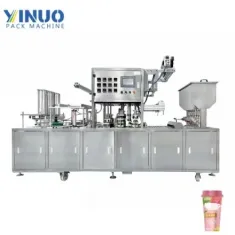
How to Fill Beverages with Pulp, Pearls, or Fruit Pieces Accurately
When a beverage contains boba, nata de coco, aloe vera, fruit pulp, or diced fruit, a standard liquid filler may produce uneven portions, blocked nozzles, or poorly sealed cups. A correctly selected beverage cup filling and sealing machine solves these problems by separating particle dosing from liquid filling and controlling each portion with repeatable settings. This guide explains how to use a
View More +
Sep. 04, 2026
What Production Data Is Needed to Size Automated Packaging Equipment?
Sizing automated packaging equipment means matching a packaging machine or complete line to the product, package format, production speed, materials, factory conditions, and future capacity requirements. For Yijianuo, accurate production data is the foundation for selecting the correct filling, bagging, cartoning, sealing, labeling, case packing, and palletizing modules. When the data is
View More +
Sep. 03, 2026
How to Select a Dosing System Based on Product Flow Behavior
Choosing automated filling equipment starts with understanding how the product flows, settles, compresses, aerates, and changes during production. A dosing system that works well for free-flowing liquids may fail with powders, granules, pastes, or products that bridge and clump. This guide explains how to evaluate product flow behavior, select the correct dosing principle, compare equipment
View More +
Sep. 03, 2026
Guide to Choosing Rotary or Linear Equipment by SKU Mix
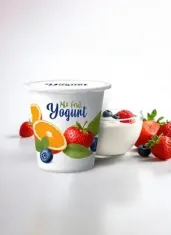
Choosing between a rotary cup filling and sealing machine and a linear system depends less on the machine’s headline speed than on your SKU mix, batch size, changeover frequency, and product behavior. This guide explains how to choose a rotary cup filling and sealing machine, when a linear cup filling machine for multiple SKUs is more practical, and how to calculate cup filling and sealing
View More +
Sep. 03, 2026
Tips to Reduce Product Loss During Flavor and Cup Size Changeovers
A yogurt cup filling machine can lose saleable product during flavor changes, cup-size changes, and cleaning interruptions if operators drain too much mix, adjust the filler by guesswork, or release the first cups without checks. A documented flavor changeover procedure for a yogurt filling machine, a measured cup size changeover checklist, and a controlled yogurt filling line can reduce waste
View More +

Sep. 02, 2026
Top Signs Your Packaging Film Is Not Compatible with the Machine
When a heat sealing packaging machine starts producing leaking pouches, wrinkled lids, or inconsistent seals, the film is often blamed too late. In many factories, the actual problem is a mismatch between the film structure, sealing layer, machine temperature window, and line speed. This guide explains packaging film compatibility with heat sealing machine requirements, including how to select
View More +

Sep. 02, 2026
Guide to Diagnosing Film Tracking and Lid Alignment Problems
Brief summary: An automatic continuous sealing machine depends on stable film tension, centered web travel, accurate lid placement, and correctly adjusted sealing components. When packages drift, wrinkle, leak, or show uneven seals, the problem is usually caused by film-roll alignment, guide settings, tension imbalance, sensor errors, worn components, or an incorrectly positioned lid. This guide
View More +

Sep. 02, 2026
Top Seal Quality Checks for Food Packaging Production
Food producers are under pressure to reduce leakage, contamination claims, and unplanned line stops while keeping output consistent. Modern industrial cup sealing equipment can solve part of that problem, but only when operators control the complete sealing window. A practical program should cover automatic cup sealing machine quality checks, food packaging seal integrity testing, and top seal
View More +

Sep. 01, 2026
Guide to Selecting Film, Forming Depth, and Pack Format for Meat
Choosing the correct packaging film, forming depth, and pack format is one of the most important decisions when investing in Meat Packaging Machines. At Yijianuo, we recommend a structured process: first define the meat product and target shelf life, then calculate the required forming depth, select a compatible barrier film, choose the pack format, and finally validate sealing, vacuum, gas
View More +